The Break-Fix Trap: Why Reactive IT Support Fails Irish Enterprises
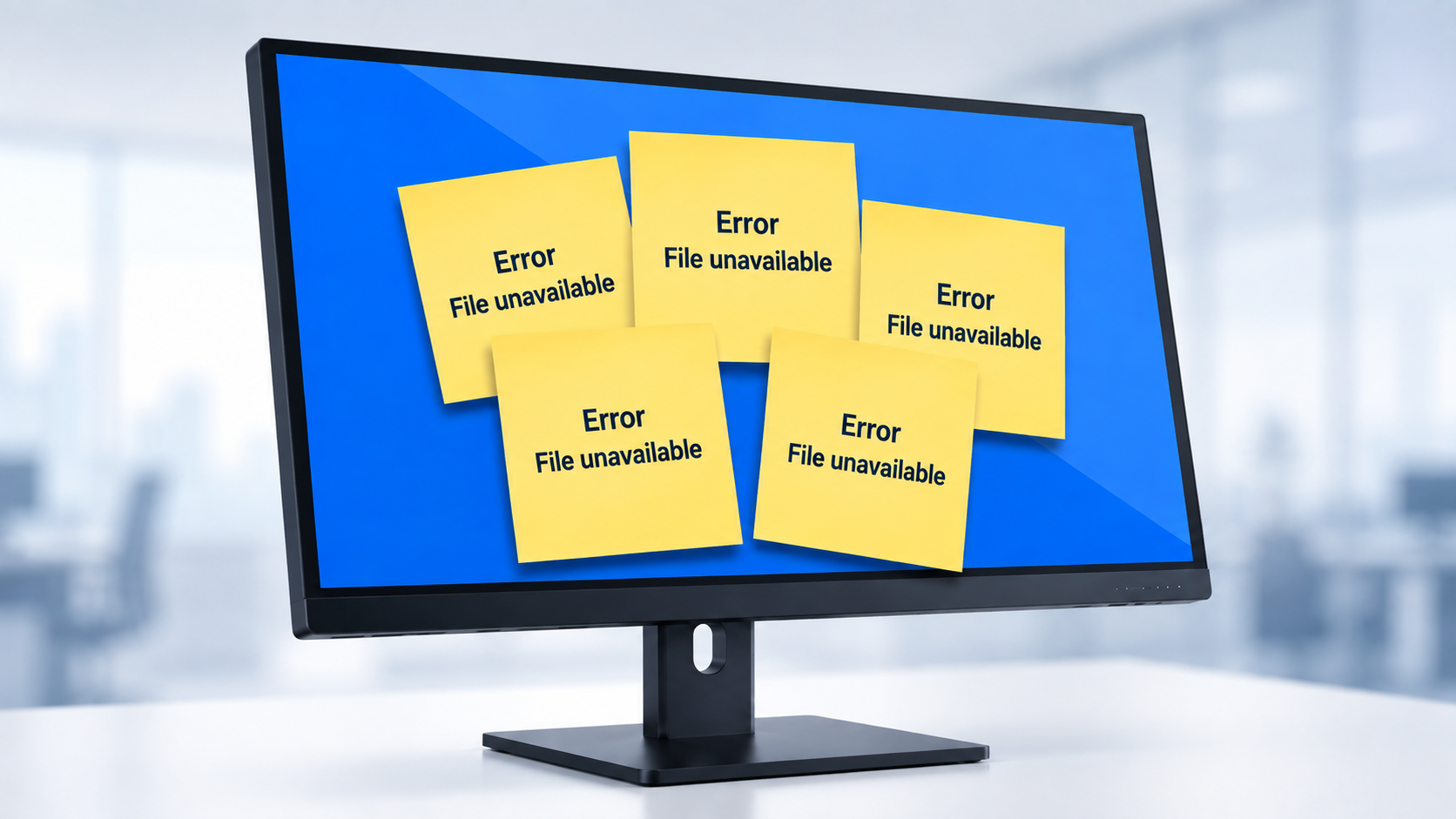
For many commercial organisations across the South East, IT support operates on a frustrating loop: a critical system goes down, an ad-hoc contractor is dispatched, the immediate error is cleared, and operations resume. Yet, weeks later, the exact same bottleneck cripples production again. It is easy to blame aging infrastructure or unreliable software, but the true culprit is the structural flaw of the reactive break-fix IT model. Relying on transactional IT support guarantees that your enterprise will repeatedly pay to solve the exact same problem.
The Anatomy of a Reactive Incident Response
When you engage an ad-hoc IT provider, their operational mandate is strictly limited to clearing the immediate symptom. They arrive, diagnose the localized error code, apply a temporary patch to restore connectivity, and immediately move on to their next billable emergency. That is not necessarily a failure of the technician—it is simply how the break-fix model is inherently scoped.
In enterprise environments, surface-level symptoms (like a dropped VPN connection or a stalled CRM) are usually indicators of a much deeper architectural flaw. Because a reactive engagement is scoped exclusively to the symptom, the underlying root cause is completely ignored. The contractor closes the ticket, but the structural vulnerability remains embedded in your network, quietly waiting to trigger the next outage.
The Hidden Cost of Recurring Outages
The danger of reactive remediation is that the temporary fix feels permanent. The error message disappears, the workstation connects to the domain, and the boardroom assumes the network is stable.
When the same architectural flaw triggers a failure months later, it is often treated as an entirely new, isolated incident. Consequently, Irish businesses end up paying multiple emergency invoices for the exact same underlying vulnerability. This cycle bloats your OpEx, normalizes operational downtime, and drains employee productivity across your entire team.
Root-Cause Resolution: The Managed Services Difference
Securing your infrastructure requires transitioning from symptom management to root-cause resolution. This requires a dedicated systems engineering framework that investigates why the failure occurred and implements permanent architectural changes.
A premium Managed Service Provider (MSP) approaches incident response entirely differently:
- Deep Telemetry Analysis: Investigating comprehensive network logs to identify the structural origin of the failure, rather than just clearing the screen error.
- Proactive Remediation: Deploying permanent firmware fixes and policy changes across the entire enterprise to prevent identical failures at other branch locations.
- Continuous Monitoring: Tracking endpoint health continuously to catch subsequent anomalies before they escalate into production downtime.
Break the Cycle of IT Frustration
Your enterprise cannot scale if it is constantly fighting the same localized fires. It is time to replace ad-hoc contractor visits with proactive, root-cause infrastructure management.
Request a Free IT Audit or Book a Discovery Call with the systems engineers at BarrowEdge IT today to permanently resolve your recurring network bottlenecks and stabilize your IT budget.