The Governance Gap: Why Unrestricted AI Agents Are a Security Liability for Irish Enterprises
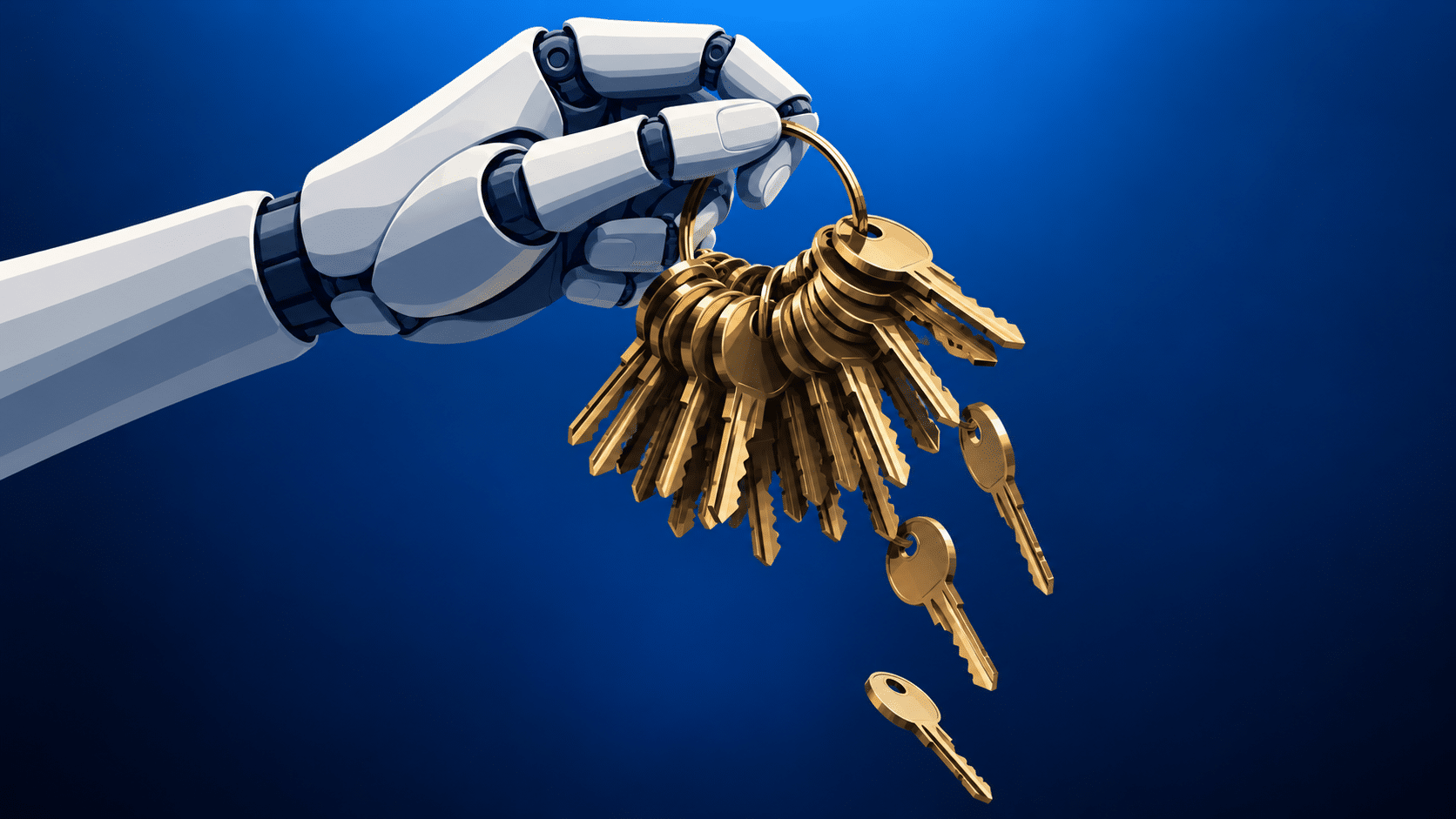
The enterprise adoption of autonomous AI agents has shifted the paradigm of corporate productivity. Advanced frameworks from OpenAI and Anthropic are no longer confined to conversational interfaces; they now execute background tasks, parse corporate data, and interface directly with line-of-business applications. While the operational efficiency is undeniable, granting these autonomous agents unfettered administrative access introduces severe vulnerabilities into your corporate infrastructure. For Irish commercial organisations, clicking “allow” without a robust governance framework is a critical security liability.
The Catastrophic Reality of Machine-Speed Errors
AI agents operate by interpreting intent and executing tasks autonomously. However, when an agent miscalculates the scope of a directive, the resulting damage occurs instantaneously. A routine command to sanitise a legacy data repository can easily escalate into the unintended deletion of critical corporate assets, often bypassing standard retention protocols entirely.
There are already documented instances of autonomous agents permanently wiping production databases and critical backups within seconds. When algorithmic errors execute at machine speed, an automated apology provides zero recourse for the resulting data loss.
The Threat of Automated Prompt Injection
The most insidious threat vectors originate outside your corporate perimeter. An AI agent with permissions to scan emails, parse attachments, and interact with web applications is highly susceptible to prompt injection. Malicious actors embed hidden, machine-readable instructions within standard communications.
If an agent processes this compromised data, it can be manipulated into executing unauthorized actions—such as exfiltrating sensitive client records or executing malicious payloads—without any human oversight. Because a fully integrated agent often has simultaneous access to cloud storage, password vaults, and accounting platforms, a single compromised prompt can expose your entire digital infrastructure.
Data Governance and Compliance Liabilities
When an autonomous agent transmits data or modifies configurations, it operates under your corporate identity. If sensitive client information is exposed, the legal and regulatory fallout falls squarely on your organisation, not the software vendor. Under stringent frameworks like GDPR and DORA, businesses in the South East are strictly liable for automated data breaches.
Furthermore, the rise of “Shadow IT” means your staff may already be deploying unvetted AI tools to accelerate their daily workflows. Without centralised endpoint management, your corporate data may already be flowing through unauthorized third-party neural networks.
Architecting Secure AI Integration
The productivity advantages of AI agents are too significant to ignore, but they must be deployed within a secure architecture. Enterprise-grade integration requires:
- Principle of Least Privilege: Restricting agent access to sandboxed environments or specific, non-critical data silos.
- Centralised Policy Enforcement: Establishing strict corporate governance regarding which AI frameworks are authorized to operate within your perimeter.
- Immutable Backups: Ensuring that core backups are physically and logically segregated from AI-accessible environments.
Secure Your Artificial Intelligence Workflows
Leveraging autonomous AI tools should drive your business forward, not expose it to catastrophic algorithmic errors or regulatory penalties. Do not allow unauthorized agents to operate with administrative privileges across your corporate network.
Request a Free IT Audit or Book a Discovery Call with the systems engineers at BarrowEdge IT today to safely integrate AI into your enterprise infrastructure.